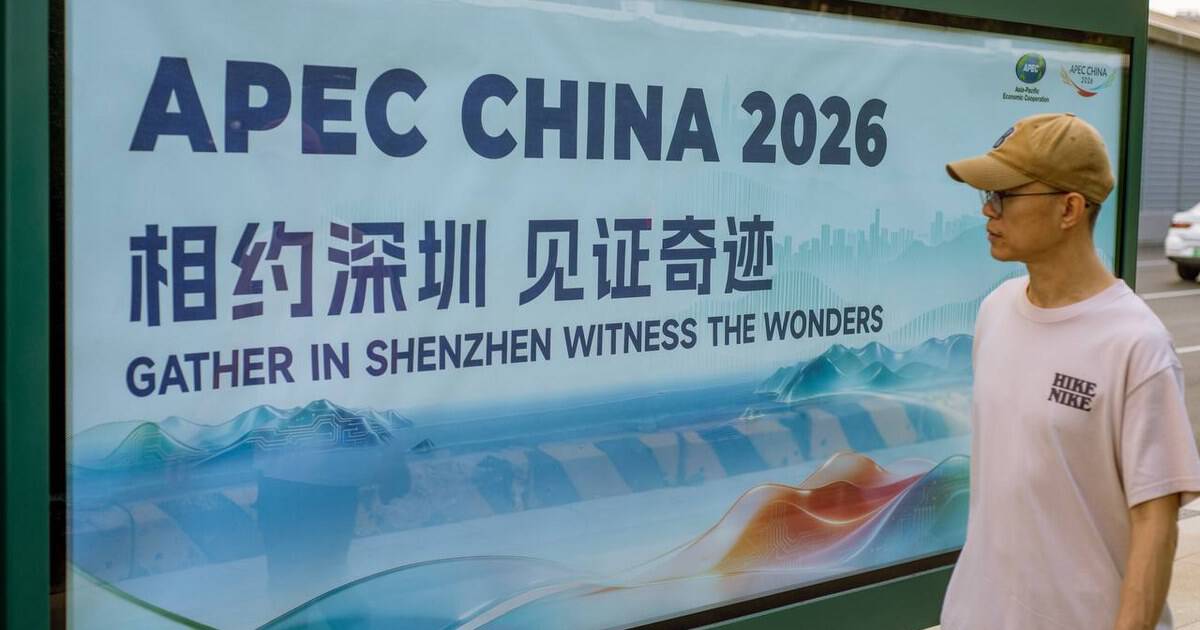
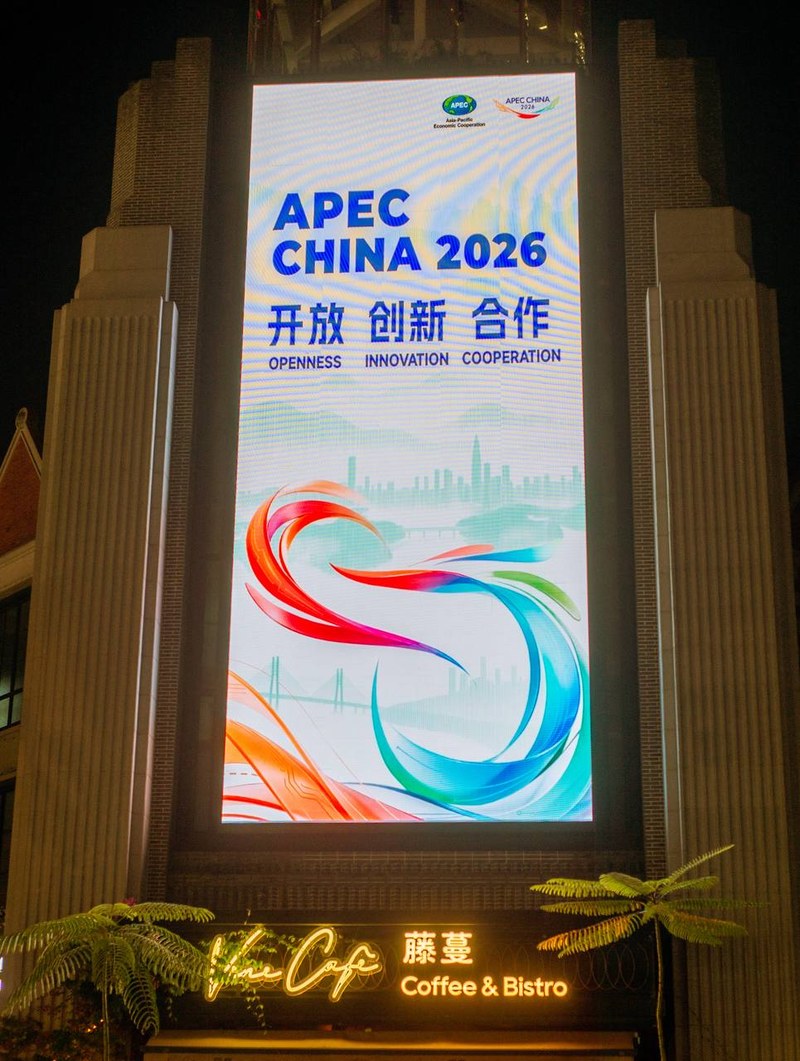
20 Things to Do Before You Come to Shenzhen, China for APEC 2026
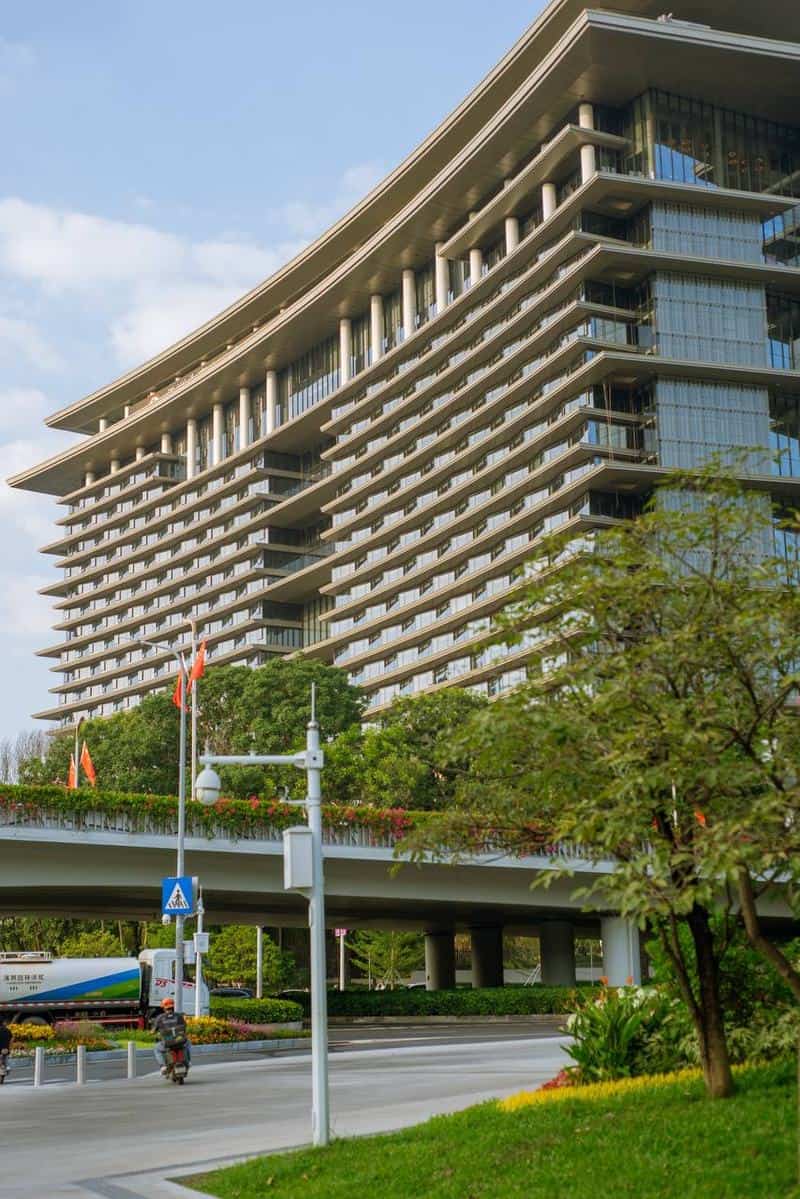
| Venue | 15 min walk from Chegongmiao Station (车公庙站) |
|---|---|
| Hotels nearby | The Langham Shenzhen, JW Marriott Hotel Shenzhen |
The CEO Summit is on the 17th and 18th of November, the Leaders’ Meeting on the 18th and 19th. During this period the city will be filled to the brim with delegates and business leaders alike.
So my question for you is… have you ever landed in another city or worse another country just to realise you have forgotten something, lost a thing, not filled in the right form or even realised you haven’t got the right visa? Well I know I have. Hopefully if you read this article I can help you out a little, because travelling to China, during or for APEC could be a minefield of little displeasures if you plan it wrong.
Visa and entry
This is arguably the most important aspect of your trip. If you are travelling on a British, European, Australian, New Zealand, Japanese, South Korean, Canadian or Brazilian passport, you can enter without a visa for up to thirty days. That policy runs until 31 December 2026, and it covers fifty countries in total.
There are more than a few exceptions to this, most notably American passport holders. However Americans are not alone in this so please check if your country is eligible for the 30-day visit before you leave. So in this case the good news is you are able to get 10 days without a visa, on one condition and it can be a tricky one, so please read carefully.
If you are on a 10-day transit visa please be aware, if you fly from Country A, change flights in Country B, then enter China, that’s fine as long as you don’t leave China back to Country B.
Let me give you an example. So if you came in from Hong Kong, you can’t leave through Hong Kong. Fly out of Shenzhen direct, or go through Macau. If you really have to leave back through Hong Kong then you will need to get another visa in this case. It’s quite common for people to get this mixed up and just to be sure you’re having a very long holiday day turn around at the Shenzhen/Hong Kong border.
There are also other things to consider in regards to passports. Your passport needs six months left on it when you arrive. This is pretty standard for most countries. It is also required to have at least two blank passport pages. Not that it has ever happened to me… oh hang on it has. Caught in this situation I got stuck in Singapore airport for 2 days. I kinda felt Tom Hanks for a while there. It’s an easy mistake or at least that’s what I told myself.
The passport holders’ names must match the flight ticket, along with the hotel booking and the APEC accreditation (exactly). If you’re planning a trip into Hong Kong on a 30-day visa that resets the moment you cross the border. If you’re on the 240-hour transit once you leave you cannot come back in. If you do, it’s gotta be on a different visa.
It should be common sense, but if you are a delegate or here on business, your APEC badge does not get you through immigration, and your visa does not get you into the venue. They are two separate checks. Confirm both with your delegation coordinator before you pay for anything non-refundable, and carry a printed copy of your accreditation and passport.
Lastly this is China so any reporting here requires a journalist visa and accreditation; the visa-free and transit schemes specifically exclude news work. So don’t get caught working on the wrong visa. Drones too are tricky, there is no flying or filming with them. APEC papers do not cover that.
Getting here
Shenzhen Bao’an (宝安区) Airport has direct flights from most of Asia and a growing list from Europe. Hong Kong has far more long-haul options, and Shenzhen is under sixty minutes beyond it, so plenty of people come that way. One catch if you are using the 240-hour transit: Bao’an Airport, Shekou port and the West Kowloon rail station count as entry points for it. The walk-across land borders from Hong Kong do not.
From Hong Kong you have three ways in.
The high-speed train from West Kowloon to Futian (福田区) takes fourteen minutes and drops you in the middle of the business district, with both countries’ immigration done at West Kowloon before you board. The ferry from Hong Kong Airport to Shekou skips Hong Kong border control altogether. Or you can catch the MTR to Lok Ma Chau and walk across at Futian port. It is best not to book a train to “Shenzhen” without checking which station. Futian is central; Shenzhen North is twenty minutes further out in Longhua (龙华区). I tell anyone with luggage to take one.
You can also get a limousine service across into Shenzhen as well, and they will just drive you across the border. All you have to do is get out with your luggage, check in with immigration, then get back into the car. Then they take you to wherever you want to be dropped off.
Border hours, checked October 2026: Futian runs from 06:30 to 22:30, Luohu (罗湖区) from 06:30 to midnight, Shenzhen Bay from 06:30 until then, West Kowloon trains from 06:30 to 23:30, and the Shekou ferry from 07:00 to 22:30.
Huanggang reopened on 12 October 2026 after a full rebuild and is open around the clock for buses, cars and walkers; it is the one to know about if you miss everything else. Sha Tau Kok is closed to passengers.
Money and paying
Shenzhen is close to cashless. Street stalls, taxis, convenience stores and coffee shops all take a QR code. Download Alipay. Alipay seems to be the easiest for most tourists. If you set up your WeChat from overseas, WeChat users here get a little flagged warning that you might be some kind of scammer, so bear that in mind.
For Mastercard, JCB or Amex, finish the passport and face verification at home where you have good internet. Payments of 200 RMB and under carry no fee; above that, three percent. The two apps have different limits and some small vendors only accept one of them, so set up both.
Carry five hundred to a thousand RMB in small notes anyway. Legally shops should be able to cover you for cash transactions at a push, but I would not always rely on that. Luohu has more cash flowing because of Hong Kong tourists, so that might be useful to know.
If your company needs an official tax invoice to reimburse you, ask for a fapiao at check-out and have your company’s billing name ready in Chinese. A normal receipt may not be enough.
Phones and apps
Google, WhatsApp, Instagram and most Western news sites are blocked on local networks. An overseas eSIM or your home roaming plan usually gets round this because the data goes through your own carrier. A SIM from here gives you a +86 number, which you need for some venue Wi-Fi and ride apps, though no access to them. Many people use both. Test whatever you choose before you fly: turn it on at the airport, open WhatsApp, and make sure it works.
Install Alipay, WeChat, DiDi for ride-hailing (you can link it to your WeChat or Alipay). Apple Maps or Amap, and a translator with the Chinese pack downloaded for offline use. Google Maps barely works here, so leave it behind. Every other app can wait.
Before you leave the airport or station, get your phone working and make one small payment. Turn on your data and open WhatsApp; if it loads, your internet is sorted. Start Alipay and scan the code at any shop for a bottle of water; if it pays, your wallet is ready.
Open Apple Maps or Amap and search your hotel’s name in Chinese characters; if the pin lands, you are done. If any of the three fails, you are standing somewhere with free Wi-Fi, a seat and time to fix it. Fix it there. The worst place to find out your card will not link is in the back of a taxi at midnight.
Getting around
The metro is the answer to most journeys. Seventeen lines, 432 stations, clean, cheap and signed in English. It is how I get everywhere.
Pay by scanning the metro code inside Alipay, or just tap a contactless Visa, Mastercard or Amex on the gate; Shenzhen switched that on recently and it works.
Trains run from about 06:00 to 23:00, later during big events, though “about” is the word. Last services differ by line and by station, and the app knows; you do not. My rule for anywhere in this city is ten minutes. If a place is more than a ten-minute walk from a station, take a Didi or a cab. I’m betting there are fake notes floating around during the APEC, people used to be wary of this but now that big cities are mostly cashless people don’t check so carefully anymore. Use Alipay or WeChat!
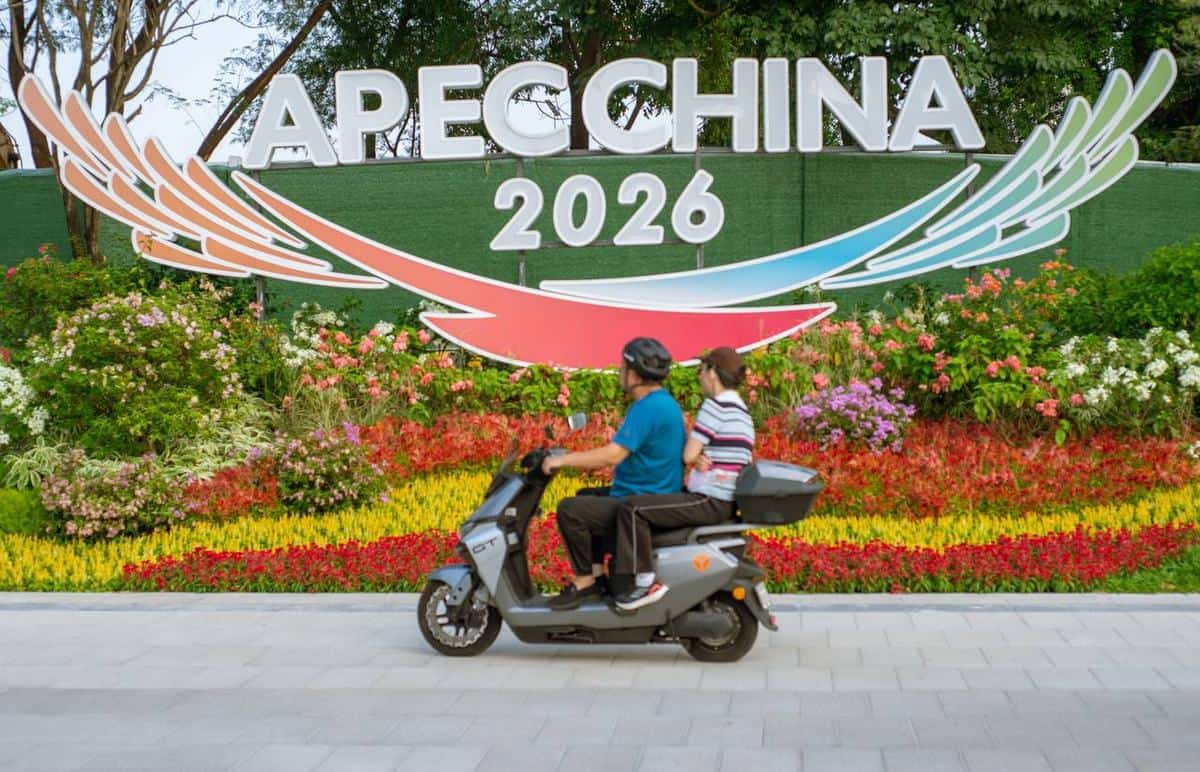
Street taxis are fine and honest most of the time but another issue is addresses in English, so make sure you have something written down in Chinese. Screen shots are a life saver. Learn hello, thank you, how much and the bill. That goes a long way to making things smoother.
Use the map links on this site. Every bar and coffee shop has an “Open in Maps” button that sends you to the right app for your phone: Apple Maps on an iPhone, Amap or Google on Android, Amap inside WeChat. Each one gives you the walk from the nearest metro station. Google Maps itself is unreliable here; its pins are often a block or two out.
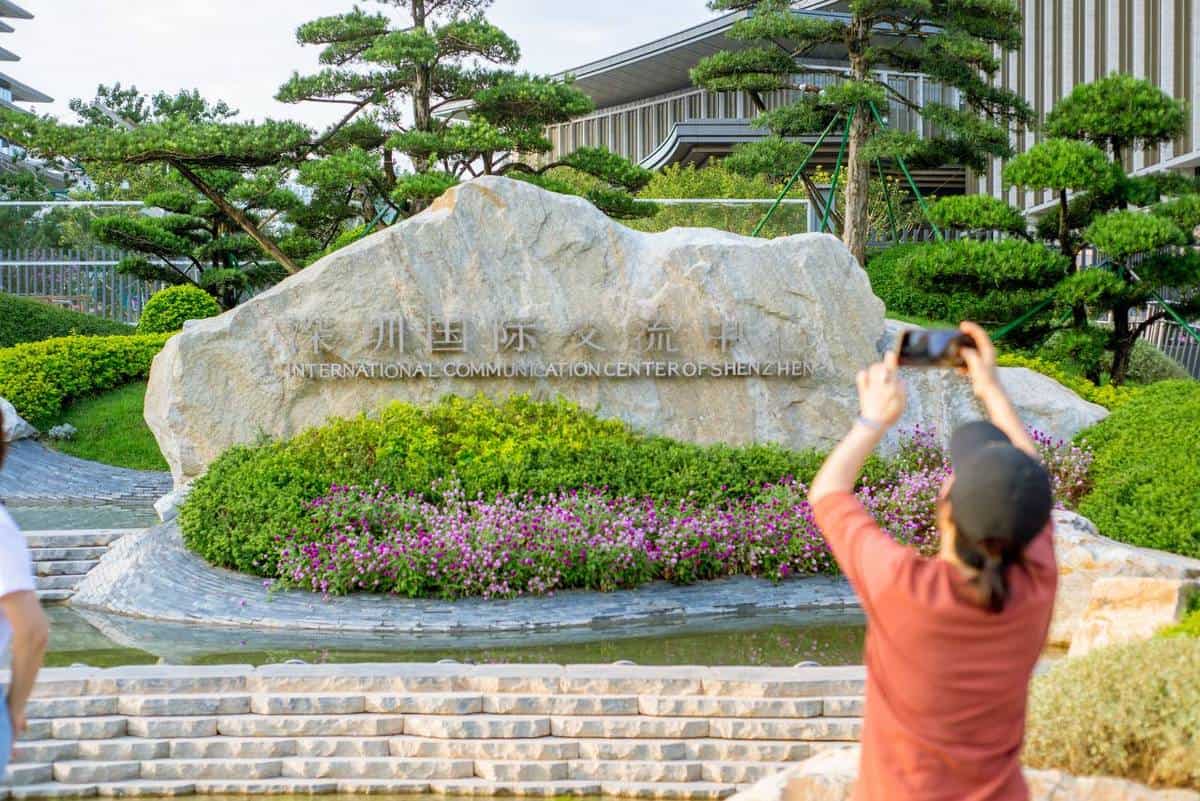
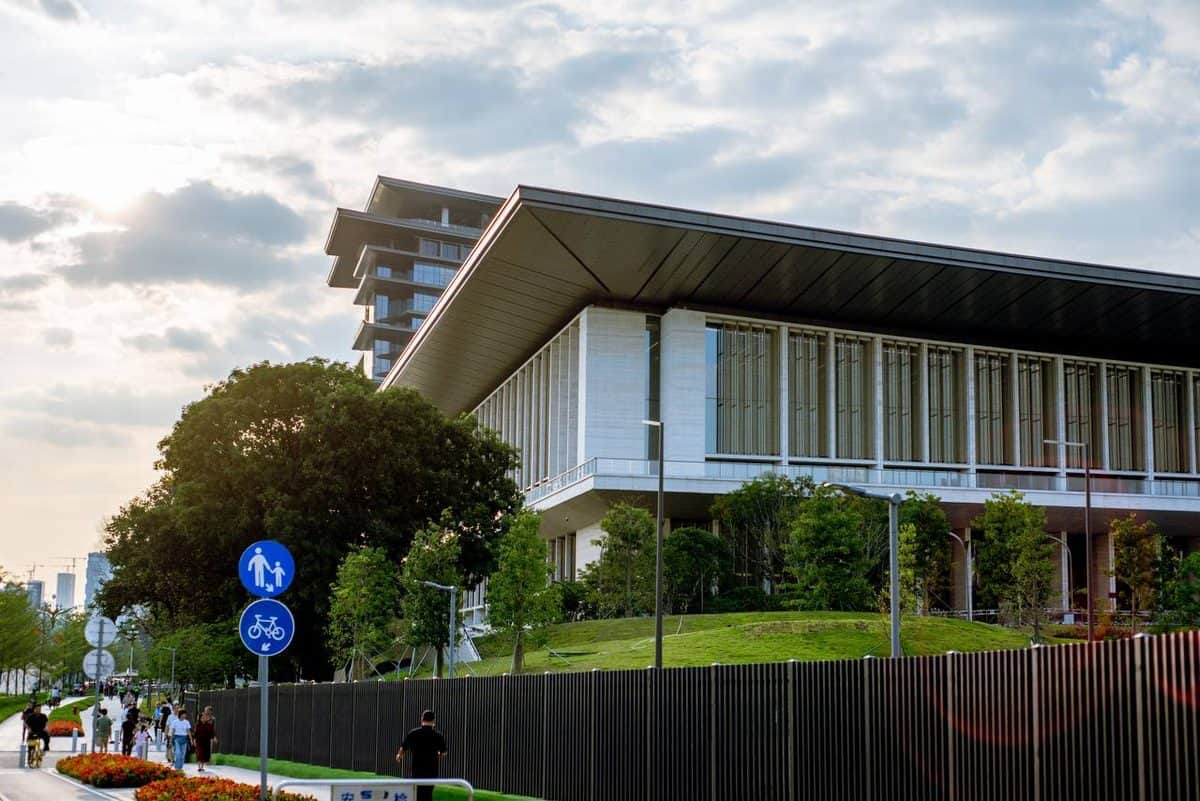
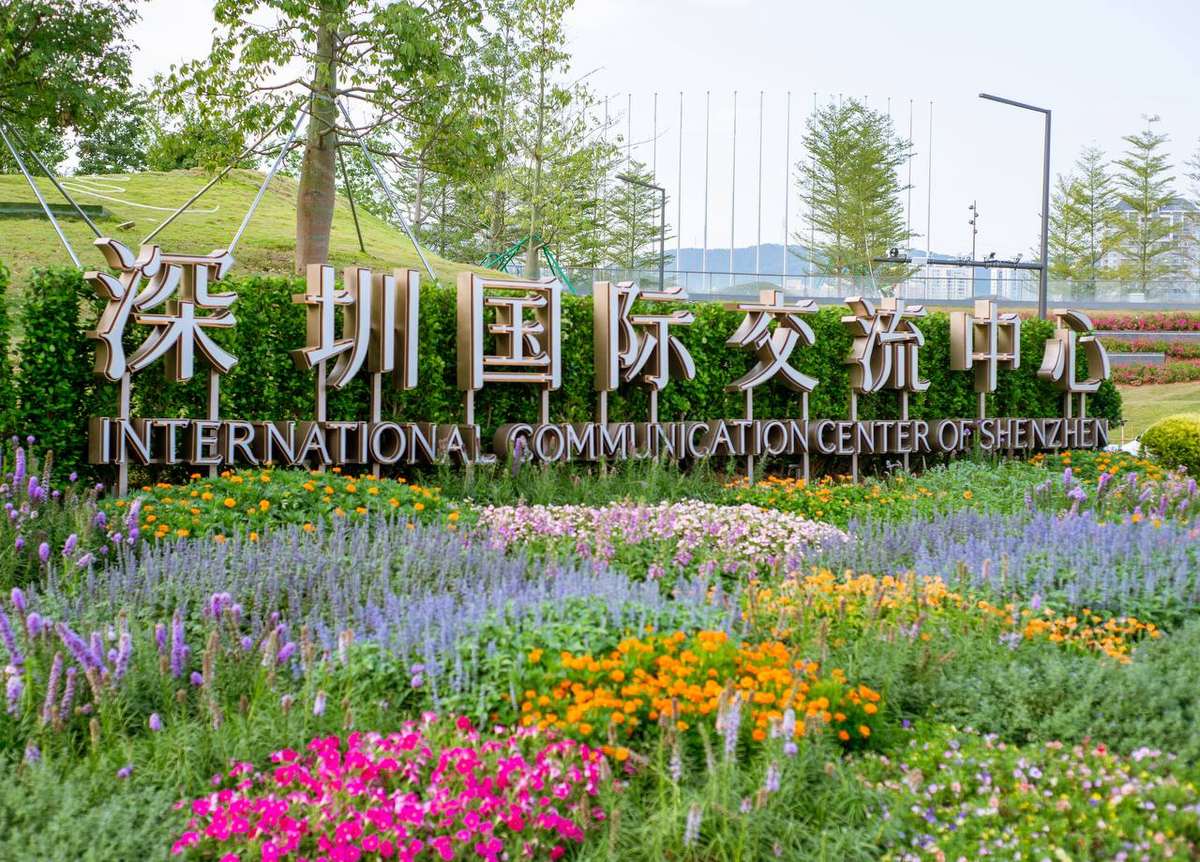
Leaders’ Week will bring security zones, closed roads and metro station changes near the main venues, announced a few days ahead on the Shenzhen government’s English site and in the official app. Allow extra time, and take the train rather than a car on the 18th and 19th. Be careful of photography around security entrances, that’s one of the reasons I don’t have any good pics of the domain venue, which is “Shenzhen International Communication Center”.
And one trap that could bite you: there are two big exhibition centres with nearly the same name. Shenzhen World Exhibition and Convention Centre is in Bao’an, out by the airport. Shenzhen Convention and Exhibition Centre is in Futian, in the middle of town. They are an hour apart. Check which one your event is in before you get in the taxi.
Where to stay
Choose your district by what you are here for. Futian is the business centre: the high-speed rail station, the big hotels, and the shortest ride to the border. Nanshan (南山区) and Shekou are where the tech companies and most of the expats are, with the best restaurants and bars, and the sea. Bao’an is next to the airport and the exhibition hall, good for a quick turnaround and little else. Longhua, where I spend a lot of my time, is cheaper and better than its reputation, with Shenzhen North for trains to the rest of the country.
Expect prices to jump in Leaders’ Week. The 18th and 19th of November will be the peak. If your dates are flexible, the week before or the week after is calmer and cheaper, and the city is the same.
Book your room early, with free cancellation. Rates in Futian and Nanshan will rise through Leaders’ Week. Choose flexible terms until your venue and accreditation are confirmed. Trip.com has the widest choice of Shenzhen hotels and takes foreign cards.
You may read that hotels here need a special licence for foreign guests. That rule was scrapped. The government has told hotels and booking sites not to turn foreigners away. If a hotel still refuses, it is the hotel’s problem, not yours; book elsewhere and move on.
Hotels take your passport at check-in and register you with the police automatically. If you are staying in an apartment or with a colleague, you or your host must do the same within twenty-four hours, which can now be done online. Keep the confirmation.
Useful tips
The aviation authority bans any power bank without a clear CCC mark from domestic flights. Over 100Wh needs airline approval, over 160Wh is banned outright, and nothing goes in checked bags. Most battery packs sold abroad do not have it. If Shenzhen is your only stop, no problem.
If you are flying on to Beijing or Shanghai, buy one here for 50 RMB and save yourself the argument at security.
Daytime in November is 18 to 25 degrees and pleasant. Hotels, conference halls and the metro run the air-con hard, so bring a layer. Plug sockets are Type A, C and I at 220V, so most two-pin chargers fit.
Travel insurance that covers treatment here is worth having; the good hospitals are private and want a card before they want a diagnosis. Bring regular medicines in their original packaging with the prescription, and check anything controlled before you pack it. Write your allergies in Chinese on a screenshot; kitchens here share woks, so “no nuts” needs saying, not assuming. Emergency numbers: 110 for police, 120 for ambulance, 119 for fire.
Learn hello, thank you, how much and the bill. Save your hotel’s name and address in Chinese characters on a screenshot. Taxi drivers rarely read English, and that image solves it.
If you are heading to Hong Kong for the evening, work backwards from the border you will use. Futian port shuts at 22:30, which means you need to be through Hong Kong immigration on the Lok Ma Chau side well before that, not arriving at it. Luohu and Shenzhen Bay give you until midnight. After that it is Huanggang, which is open around the clock but a bus and taxi crossing, so budget an extra hour and another 200 HKD. The last high-speed train from West Kowloon leaves around 23:00; check the day’s timetable, not the previous week’s.
More events
Sources
Getting there and back: Shenzhen International Communication Center
Nearest metro: Chegongmiao Station (车公庙站), about 15 min walk.
- Futian border (福田口岸): about 30 min by metro (open 06:30-22:30, checked Oct 2026)
- Luohu border (罗湖口岸): about 35 min by metro (open 06:30-24:00, checked Oct 2026)
- Shenzhen Bay border (深圳湾口岸): about 30 min by metro (open 06:30-24:00, checked Oct 2026)
- Luohu railway station (罗湖火车站): about 35 min by metro
- Shenzhen North station (深圳北站): about 40 min by metro
- Shenzhen Bao'an airport (深圳宝安机场): about 35 min by metro
All times are estimates only. Please check before you travel.
Map data © OpenStreetMap contributors